What to look for and why it matters
Across Kansas, restoration projects hinge on catching problems before they spread. A common warning sign is a musty smell combined with visible changes in indoor air quality. If you notice a damp or stale odor that sticks around after cleaning, it could indicate hidden moisture behind walls or under flooring. Restoration specialists in our crews will assess the source without overreacting, keeping disruptions to a minimum for Kansas homes.
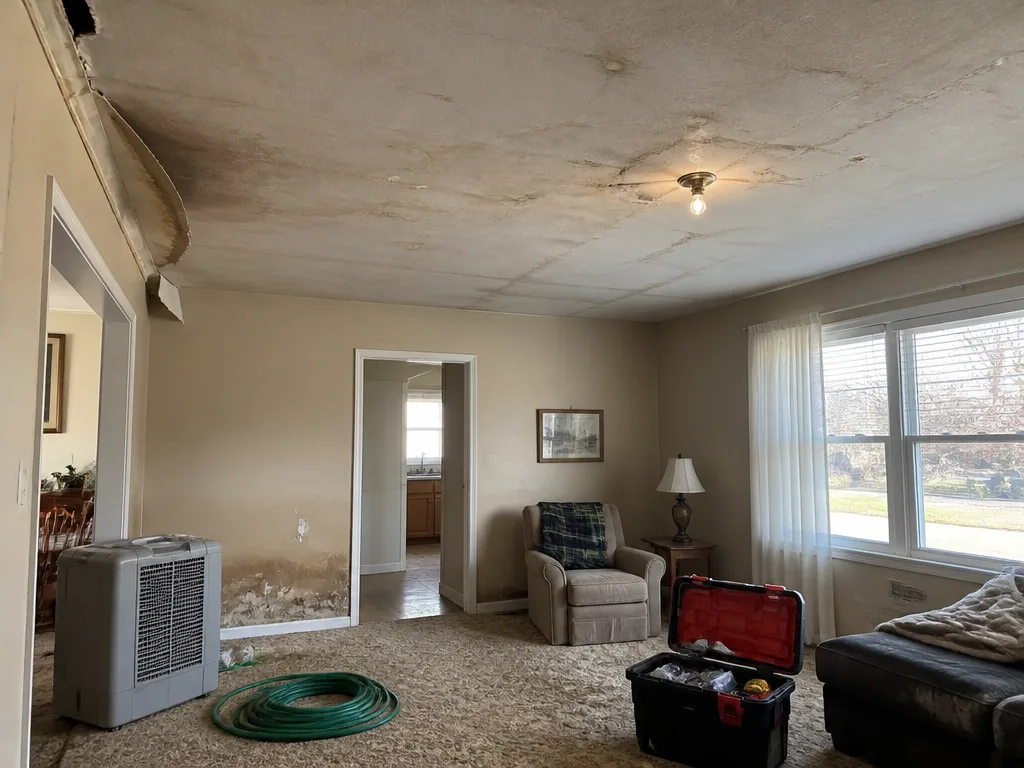
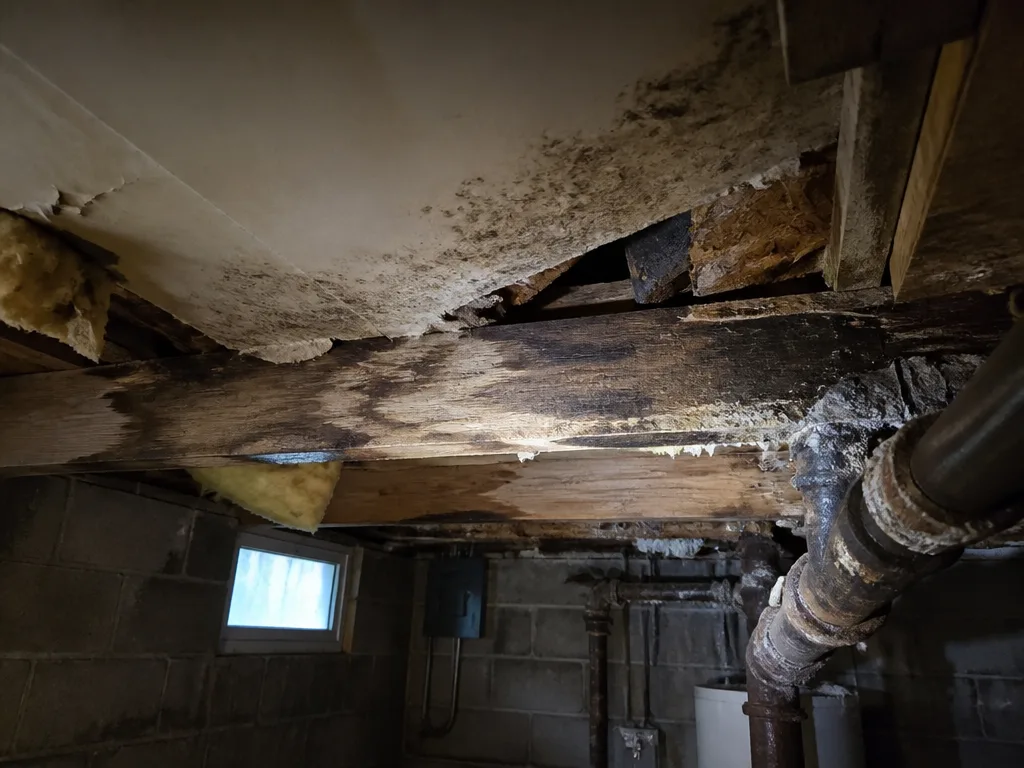
Moisture can come from weather-driven cycles across Kansas, from spring thaw to summer humidity. Look for peeling paint, dark spots on ceilings, or warped baseboards. These are not just cosmetic; they signal moisture intrusion that can undermine structural components if left unchecked. Our team will map moisture pockets and prioritize areas most at risk for long-term damage.
Why this warning matters for Kansas homes
Moisture and humidity levels shift with seasons across the state. In winter, condensation can collect on windows and walls; in spring and early summer, rain and high humidity can push moisture into building envelopes. Early recognition helps restoration specialists plan a targeted response that minimizes disruption and keeps repair costs reasonable for Kansas homeowners.
Addressing a warning sign promptly also protects indoor air quality, which is a growing concern in homes across the state. Our crews in every Kansas metro approach each case with a careful, measured plan, avoiding guesswork and unnecessary work. You’ll get clear guidance on next steps and a practical timeline.
What you should do next
If you notice the warning signs described here, contact Kansas Air Quality Restoration for a free phone consultation. A restoration specialist will listen to your concerns, ask a few questions about moisture history, and schedule a no-obligation assessment. We’ll explain what we find in plain terms and outline the most realistic options for moving forward.
Preparing for a visit helps. Gather photos of affected areas, note when you first observed the issue, and share any past repairs. This information helps the restoration specialist pinpoint the source faster and craft a plan that fits Kansas homeowners’ schedules and budgets.